
Are PET Plastic Cups BPA-free? What Restaurants Need to Know About Safety
Safe, Smart Choices for Restaurants
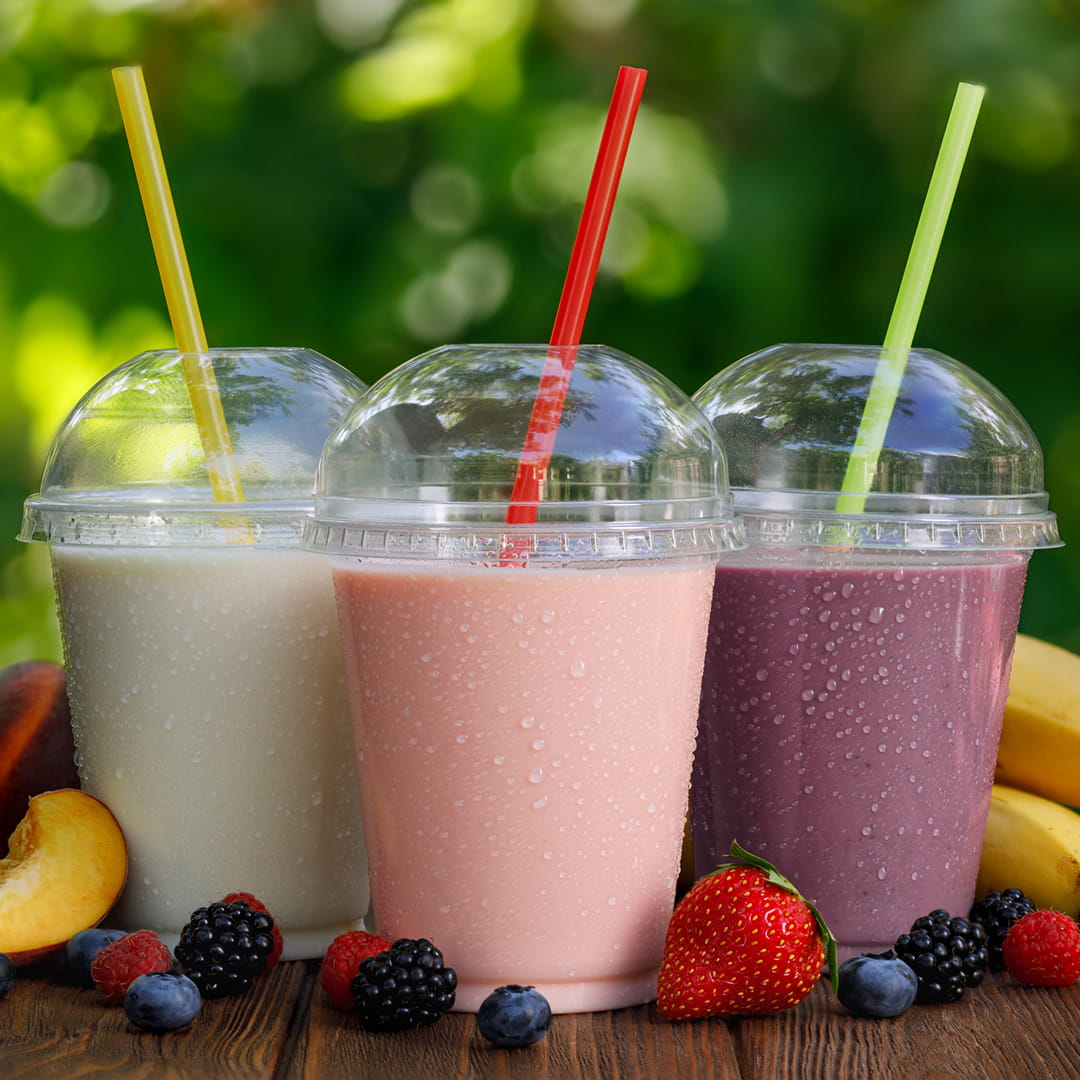
If you run a restaurant, cafe, or bar, you've probably had a customer ask about BPA at some point. Maybe it was a parent ordering a kids' drink, or a regular who read something online about plastic chemicals leaching into beverages. Whatever sparked the question, your answer matters. It affects how customers feel about your business, and it affects what you're actually serving them.
So let's settle this clearly: yes, PET plastic cups are BPA-free. But the full answer is more useful than that one-line response, because understanding why it's true (and what else you should know) helps you talk to customers with confidence and make smarter purchasing decisions.
What Is PET, Exactly?
PET stands for polyethylene terephthalate. It's one of the most common plastics in the world, found in everything from soda bottles to clamshell containers to the clear cups you see stacked behind a smoothie counter. You'll often see it marked with the recycling symbol "1" on the bottom of containers.
PET is a different chemical family entirely from polycarbonate plastic, which is the material that actually contains BPA. This distinction matters because a lot of the public confusion about plastic safety comes from lumping all plastics together, as if "plastic" were one single material with one single risk profile. It isn't. Different plastics are made from different building blocks, and BPA simply isn't part of the PET manufacturing process.
Why BPA Became Such a Big Deal
BPA, or bisphenol A, is an industrial chemical that was widely used to make polycarbonate plastics and epoxy resins starting in the 1960s. For decades it showed up in reusable water bottles, food can linings, and various rigid plastic products.
Concerns grew over the years as research linked BPA exposure to potential hormone disruption, since the chemical can mimic estrogen in the body. By the early 2010s, public pressure had pushed many manufacturers to phase BPA out of consumer products, and the FDA banned its use in baby bottles and sippy cups in 2012.
That history is why "BPA-free" became such a popular label on packaging. People got understandably wary, and brands responded. But here's the part that often gets lost: PET products were never part of the BPA problem to begin with. Calling a PET cup "BPA-free" is accurate, but it's a bit like calling an apple "gluten-free." True, but not because anyone removed anything.
So What Should Restaurants Actually Worry About?
Since PET doesn't contain BPA, the conversation should shift to what does matter when it comes to plastic cup safety in a food service setting.
Temperature matters more than the BPA question. PET is designed for cold and room-temperature use. It's not built to handle hot liquids well, and using PET cups for hot coffee or tea can cause warping or degradation of the material. If your menu includes hot beverages, you want a different cup entirely, typically a paper cup with a poly or PLA lining, or a polypropylene-based hot cup.
Reuse and wear matter. PET cups are generally designed for single use. Scratches and wear from repeated washing can create spots where bacteria gather, and repeated heat exposure (like a trip through a dishwasher) can break down the plastic over time. If you're using PET cups, treat them as disposable, not as a reusable item to wash and reissue.
Sourcing matters. Not all PET is created equal. Reputable manufacturers follow FDA guidelines for food-contact materials, but quality and consistency can vary between suppliers. Working with a distributor who can speak clearly about where products come from and what standards they meet takes a lot of guesswork off your plate.
Recyclability is a genuine win. One real benefit of PET is that it's widely recyclable in municipal systems, more so than many other plastics used in foodservice. If sustainability is part of your brand story, this is worth mentioning to customers.
How to Talk to Customers About This
If a customer asks whether your cups are BPA-free, you can say yes, with full confidence, and explain briefly why: PET plastic doesn't use BPA in its production at all. You don't need to get into a long chemistry lesson. A short, accurate answer builds more trust than an over-explained one.
What you want to avoid is vague reassurance that sounds rehearsed or unsure, because customers can usually tell the difference between genuine knowledge and a deflection. Knowing the actual reason behind the safety of your packaging puts you in a much stronger position than simply repeating a marketing phrase you read on a box.
The Bigger Picture
Food safety questions aren't going away, and customers are increasingly paying attention to what their food and drinks touch before reaching their hands. That's a good thing for the industry overall. It pushes everyone, suppliers and restaurants alike, toward better transparency.
For restaurant owners, the takeaway is simple. PET cups are a safe, BPA-free choice for cold beverages, backed by decades of use and regulatory approval. The smarter question to focus on isn't whether your cups contain BPA. It's whether you're using the right cup for the right beverage, sourced from a supplier who can answer your questions clearly and back up their claims.
At Unified Paper & Packaging, we work with restaurants every day to match the right packaging to the right use case, whether that's PET cups for cold drinks, lined paper cups for hot beverages, or compostable options for businesses building out a sustainability program. If you have questions about what's right for your menu, we're happy to walk through it with you.


