
Best Eco-Conscious Materials for Green Food Packaging
A sustainable sourcing guide
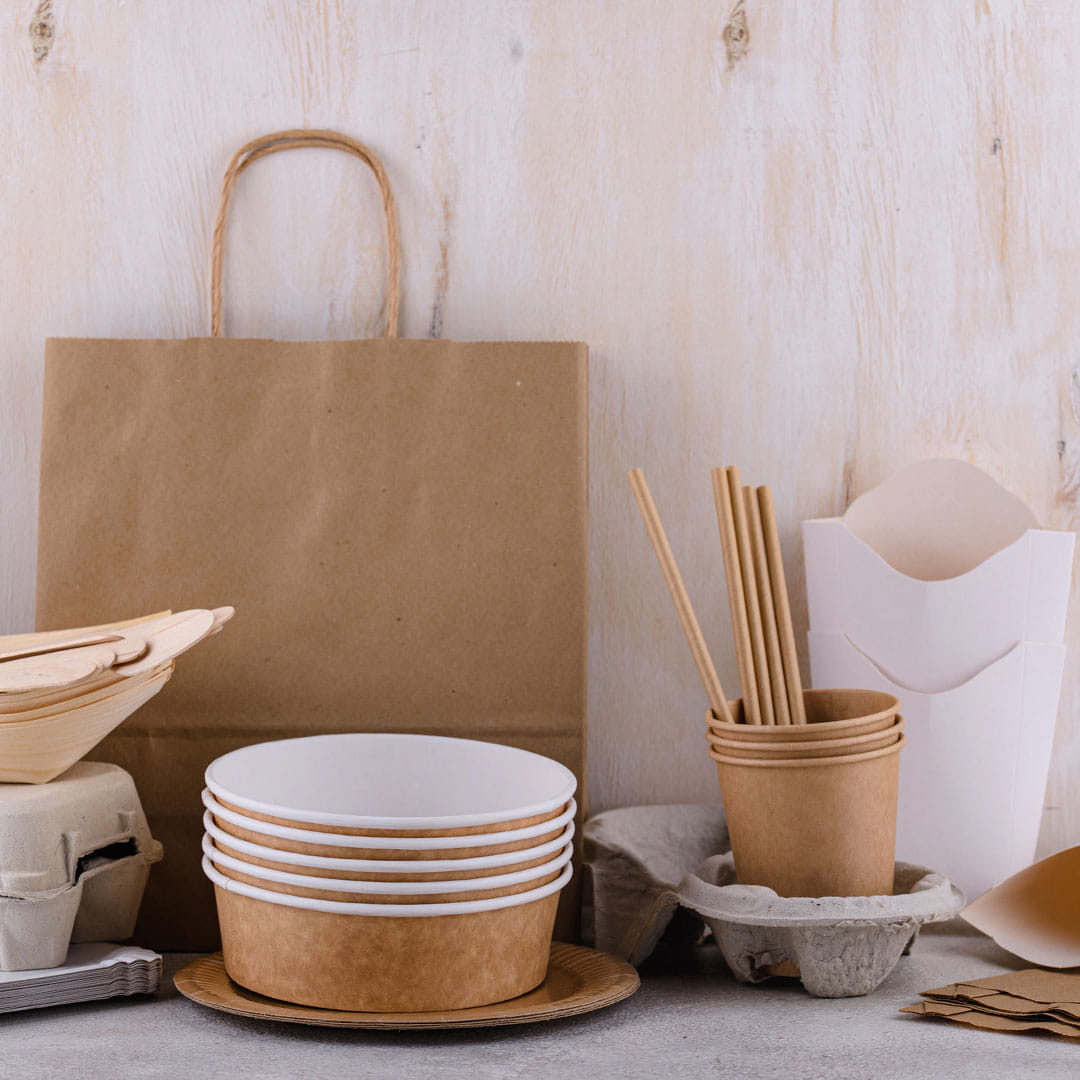
Restaurants and hospitality businesses are under more pressure than ever to prove their sustainability credentials, and packaging is often where that pressure lands hardest. Customers notice the container their takeout arrives in. Local governments are writing stricter rules about single-use plastics. And operators themselves are realizing that eco-conscious packaging isn't just good PR, it's becoming table stakes for staying competitive.
If you're a restaurant owner, caterer, or foodservice buyer trying to sort through the noise, here's a clear-eyed look at the materials actually worth considering for green food packaging, along with the tradeoffs each one carries.
Why Sustainable Food Packaging Matters Now
The shift toward eco-friendly food packaging isn't a passing trend. Dozens of states and municipalities have passed or proposed bans on polystyrene foam and certain single-use plastics. Diners increasingly choose restaurants that visibly align with their values, and a growing share of consumers say packaging influences where they order from. For distributors and restaurants alike, getting ahead of this shift with compostable, recyclable, and biodegradable packaging isn't just compliance. It's a business advantage.
1. Molded Fiber (Bagasse)
Molded fiber, often made from sugarcane bagasse, wheat straw, or bamboo pulp, has become one of the most popular alternatives to foam and plastic clamshells. It's sturdy enough to hold hot, greasy, or saucy food without breaking down, and it's typically compostable in commercial facilities within 90 days.
Bagasse packaging works especially well for takeout containers, plates, bowls, and trays. It's a strong fit for restaurants that want the durability of foam without the environmental cost, since sugarcane bagasse is a byproduct of sugar production rather than a virgin material grown specifically for packaging.
Best for: hot food containers, clamshells, plates, bowls
2. PLA (Polylactic Acid)
PLA is a bioplastic derived from renewable plant starches, most commonly corn. It looks and feels like conventional plastic, which makes it a natural substitute for cold cups, cutlery, and clear deli containers, but it's made from plants instead of petroleum.
The catch with PLA is that it needs industrial composting to break down properly. It won't decompose in a backyard compost bin or a landfill in any reasonable timeframe, so operators need to pair PLA products with proper composting infrastructure or clear customer education to avoid it ending up as contamination in recycling streams.
Best for: cold cups, clear containers, straws, cutlery
3. Recycled Paperboard and Kraft Paper
Paperboard made from recycled content remains one of the most versatile and widely recyclable packaging materials available. Kraft paper, often left unbleached for a natural brown finish, has become the visual shorthand for sustainability in foodservice, showing up in bags, wraps, boxes, and food trays across the industry.
Unlike some compostable materials, paperboard and kraft paper are widely accepted in curbside recycling programs, which makes them easier for customers to dispose of correctly without needing access to commercial composting.
Best for: bags, boxes, wraps, sandwich and bakery packaging
4. Bamboo
Bamboo is one of the fastest-growing plants on earth, which makes it an attractive raw material for packaging and disposable serviceware. It requires no pesticides, regenerates quickly after harvest, and produces a sturdy, attractive product that works well for cutlery, plates, and food containers.
Bamboo packaging tends to carry a premium price point compared to fiber or paper alternatives, but many operators find the durability and upscale appearance worth it, particularly for catering and higher-end dining.
Best for: cutlery, plates, premium presentation items
5. Recyclable and Compostable Plastics (rPET and Compostable Films)
Not all plastic is created equal from a sustainability standpoint. Recycled PET (rPET) uses reclaimed plastic rather than virgin petroleum, reducing the demand for new plastic production while keeping existing plastic in circulation. Compostable film alternatives, made from materials like PBAT blends, are also emerging as viable replacements for traditional plastic wrap and bags.
These materials are useful in situations where clarity, flexibility, or moisture resistance is essential and fiber-based alternatives fall short, such as salad containers or bakery display packaging.
Best for: clear packaging, salad and bakery containers, film wraps
6. Mushroom Packaging (Mycelium)
Still emerging in the foodservice space, mycelium-based packaging is grown from fungal roots combined with agricultural waste. It's fully compostable, requires minimal energy to produce, and offers a genuinely novel approach to protective and structural packaging.
Adoption in restaurants remains limited due to cost and supply availability, but it's worth watching as production scales and prices come down.
Best for: protective packaging, insulation, niche specialty use
How to Choose the Right Sustainable Packaging for Your Business
Selecting eco-conscious packaging isn't just about picking the greenest-sounding material. A few practical questions should guide the decision:
- What does the food require? Hot, greasy, or liquid items need moisture and heat resistance, which points toward molded fiber or coated paperboard rather than uncoated paper.
- What waste infrastructure is available to your customers? Compostable materials like PLA and bagasse only deliver their environmental benefit if they actually reach composting facilities. In areas without commercial composting access, recyclable paperboard or rPET may have a lower real-world footprint.
- What's the cost impact at volume? Sustainable materials vary widely in price. Working with a wholesale distributor helps smooth out per-unit costs at scale compared to buying retail.
- Does it meet local regulations? Many cities now restrict polystyrene foam and certain single-use plastics outright, so compliance should be a baseline requirement, not an afterthought.
Sourcing Green Packaging at Scale
For restaurants, caterers, and hospitality groups, the biggest obstacle to switching to sustainable packaging usually isn't willingness, it's sourcing. Finding compostable, biodegradable, and recyclable options that meet food safety standards, arrive reliably, and don't blow up the budget takes a distributor who understands both the materials and the foodservice industry's operational demands.
Unified Paper & Packaging works with restaurants and hospitality businesses across the country to source disposable food packaging that balances sustainability, performance, and cost. Whether you're looking for molded fiber containers, compostable cutlery, kraft paper bags, or recyclable to-go packaging, having a dependable wholesale partner makes the transition to eco-friendly packaging far more manageable.
Making the shift to green food packaging is no longer optional for most foodservice operators. It's a question of which materials fit your menu, your customers, and your local waste infrastructure, and finding a supplier who can deliver them consistently.


