
Choosing the Right Packaging for Frozen Desserts and Ice Cream
A Practical Guide for Selecting the Right Supplies
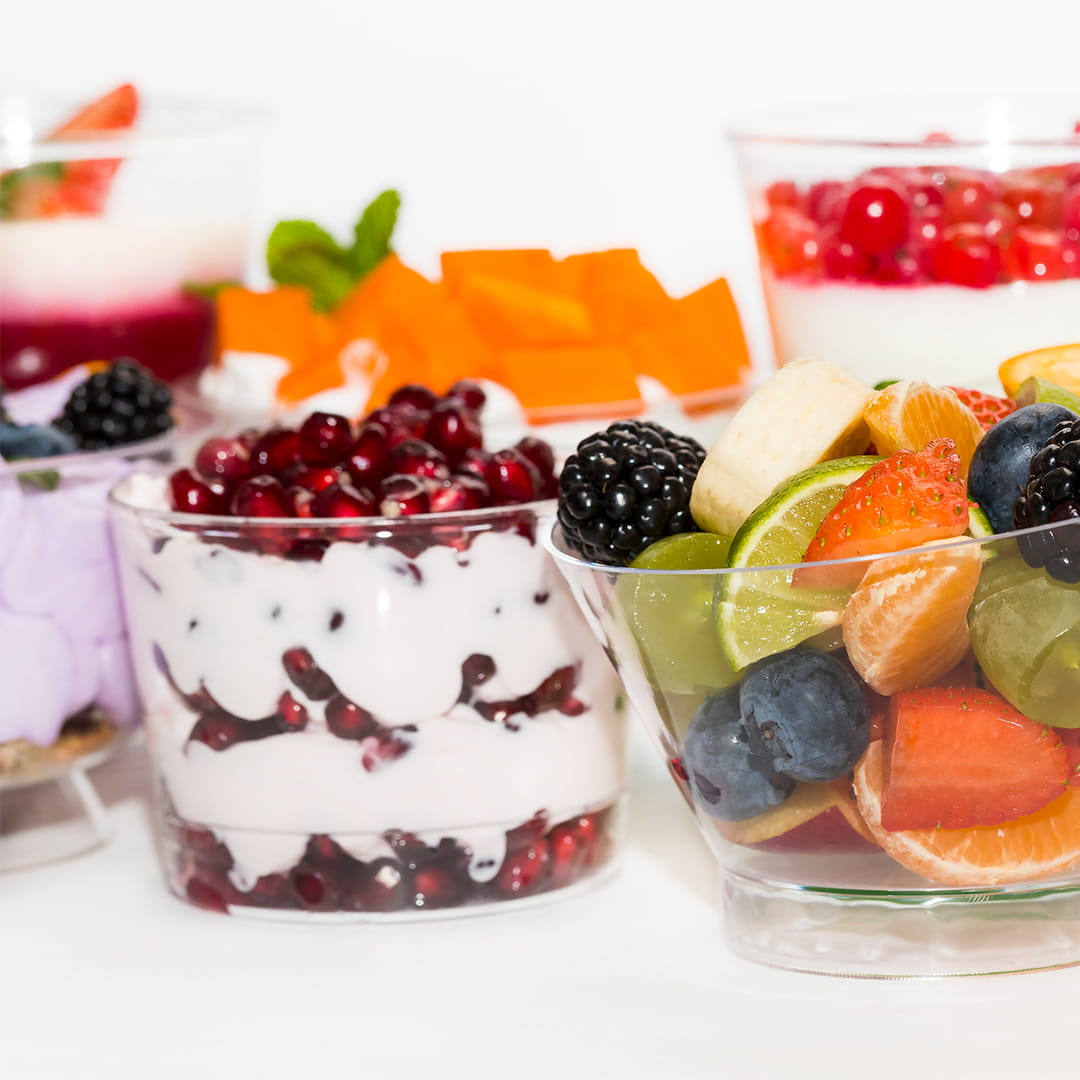
If you run an ice cream shop, a dessert bar, or even a restaurant that serves a frozen treat or two, you already know that the product inside the container does a lot of the work. But the container itself matters more than most operators give it credit for. The wrong cup, cone holder, or lid can turn a great dessert experience into a soggy, melty mess before the customer even gets to their table.
Let's break down what you should actually be thinking about when you're sourcing packaging for frozen desserts.
Temperature Resistance Is Non-Negotiable
This is the big one. Frozen desserts are cold, obviously, but the problem is what happens as they warm up. You need packaging that can handle condensation without going soft, leaking, or falling apart in someone's hand. Standard paper cups that work fine for hot beverages are not built for ice cream. They'll absorb moisture fast and lose their structural integrity within minutes.
Look for cups that are PE-coated on the inside, or go with foam cups if your priority is insulation and keeping things frozen longer. Double-walled paper cups are also a solid option when you want something that feels a little more premium without sacrificing performance.
Match the Container to the Serving Format
Not every frozen dessert gets served the same way, and your packaging choices should reflect that.
Single-serve cups are the workhorse of most operations. They come in a wide range of sizes, typically from 3 oz to 16 oz or more. Think about your actual portion sizes and order accordingly. A lot of operators either go too small and end up overfilling, or too large and the presentation looks sad and half-empty.
Sundae cups tend to be wider and shallower, which works well for layered desserts, toppings, and anything where presentation matters.
Cone holders and boats are essential if you're doing soft serve or hand-dipped cones with any volume. A cone holder keeps things stable for customers on the move and reduces the chance of a dropped cone making a mess in your shop or on someone's shirt.
Portion cups with lids are great for pre-packed grab-and-go situations, catering setups, or any account where dessert is being transported. A tight-fitting lid is worth paying a little more for if you're dealing with any kind of movement.
Lids: Don't Skip This Decision
The lid situation for frozen desserts is genuinely underrated as a purchasing decision. A dome lid can showcase toppings and make a sundae look more appealing, which actually drives perceived value. A flat lid with a straw slot makes more sense for shakes or blended frozen drinks. And some operators skip lids entirely for dine-in, which is fine, but for anything to-go, a lid is not optional.
Make sure your lids are actually compatible with your cups before you order in bulk. This sounds obvious but it's one of the most common issues we see. Not every lid fits every cup, even within the same size category.
Spoons and Sporks Matter Too
Disposable spoons for frozen desserts should have a little bit of rigidity to them. Flimsy spoons that bend the moment someone tries to scoop into a denser ice cream are a real frustration for customers. If you're serving gelato, which can be quite firm depending on how it's stored, that becomes even more of an issue.
For desserts that combine a solid and a liquid element, like a float or an affogato, a long-handled spoon or a spork gives customers more flexibility. It's a small detail but it rounds out the experience.
Sustainability and What Your Customers Actually Expect
Southern California customers are paying attention to packaging. That's just the reality of the market here. Whether you're supplying a beachside dessert stand in Santa Monica or a food hall operator in downtown LA, there's a genuine expectation around making thoughtful choices with disposables.
That doesn't mean you have to sacrifice function for sustainability. There are plant-based PLA-lined cups and compostable options that perform well for cold applications. The key is to verify the composting certifications and know whether your local waste management or composting program actually accepts them, because not all "compostable" products are accepted everywhere.
Recycled content paper cups are another option that signals environmental awareness without introducing as many performance variables.
Ordering Smart for Seasonal Demand
If you're in this business in Southern California, you know that ice cream and frozen dessert season is basically year-round, but it still peaks hard in summer. Plan your packaging inventory with that in mind. Running out of the right cup size in July because you underestimated demand is not a fun situation to be in.
Work with your distributor to understand lead times and minimum order quantities so you can stock appropriately without tying up too much cash in inventory that sits for months.
A Few Questions Worth Asking Before You Order
Before you finalize your packaging selections, it's worth running through these:
- What are my most popular portion sizes, and am I buying the right sizes to match?
- Do I need lids, and if so, are they compatible with my cups?
- Is my packaging holding up well in the conditions it's actually being used in?
- Are my customers carrying desserts any distance, or is this primarily dine-in?
- Do I have any sustainability commitments I need to meet for my brand or my accounts?
Getting these answers locked in before you place an order saves you from making expensive mistakes and helps you put a better product in front of your customers every time.
If you have questions about what packaging options make the most sense for your specific operation, reach out to our team. We work with operators across Southern California every day and can help you find the right fit at the right price point.
Looking for cups, lids, spoons, or specialty frozen dessert packaging? Browse our catalog or contact us for a quote.


