
Choosing the Right Salad Bowl with Lid Size for Your Eatery
Finding the Perfect Fit
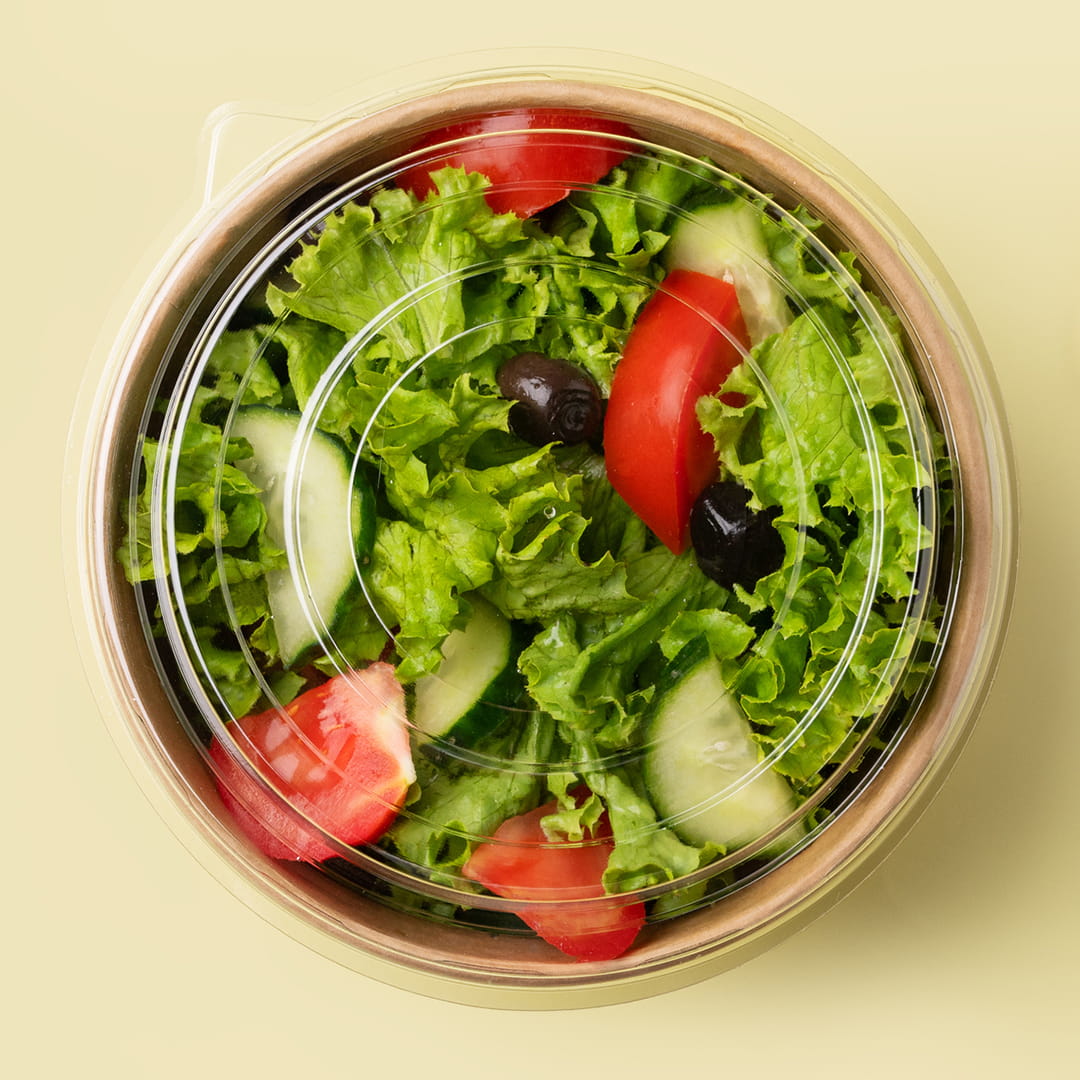
If you run a restaurant, deli, catering business, or food truck in Southern California, you already know that the small decisions add up fast. One of those decisions, picking the correct salad bowl with lid size, gets overlooked more often than it should. The right container protects your food costs, keeps your presentation sharp, and makes life easier for your kitchen staff. The wrong one causes waste, sloppy to-go orders, and unhappy customers who feel like they didn't get enough for their money.
Below, we break down how to think about salad bowl sizing so you can order with confidence, whether you're stocking up for a single location or supplying a whole restaurant group.
Start With Your Menu, Not the Catalog
It's tempting to pick a size because it's popular or because a supplier pushed it as a bestseller. Instead, start with what you actually serve.
- Side salads and starters typically fit well in 8 to 12 ounce bowls. These smaller disposable salad bowls work great for combo meals, catering add-ons, or a light side that pairs with a sandwich or entree.
- Individual entree salads usually land in the 24 to 32 ounce range. This is the sweet spot for a chicken Caesar, a grain bowl, or a loaded greens salad that's meant to be a full meal.
- Family-style or bulk catering salads often call for 48 to 128 ounce containers, especially for office lunches, event catering, or grocery deli counters selling salad by the pound.
If you serve more than one type of salad, it's common for restaurants to stock two or three sizes rather than trying to force every dish into one container. That flexibility pays for itself in reduced waste and better portion accuracy.
Portion Control Saves Real Money
Food cost control is one of the biggest levers a restaurant owner has, and container size plays a bigger role in that than most people realize. A bowl that's too large invites your kitchen staff to over-fill it "just to look full," which quietly eats into your margins over hundreds of orders a week. A bowl that's too small leads to overflow, messy lids that won't seal, and customers who feel shorted.
A simple fix: weigh out your standard salad portion once, then match it to the closest bowl size with a little headroom for toppings and dressing. Once you land on the right fit, keep it consistent across shifts. Consistency is what turns a one-time customer into a regular, especially for delivery and takeout orders where the food is judged the moment the lid comes off.
Lid Seal Quality Matters More Than People Think
Southern California restaurants rely heavily on delivery apps, third-party couriers, and drive time that can stretch across LA traffic for thirty minutes or more. A salad bowl with a loose or poorly fitted lid means dressing leaking into the bag, lettuce sliding out, and a one-star review waiting to happen.
When you're comparing disposable salad bowls with lids, look for:
- A secure, tamper-evident fit between the bowl rim and the lid
- Clear plastic or PET options if you want the salad itself to be part of the presentation
- Compostable or eco-friendly materials if your restaurant markets itself as sustainability-focused, which matters to a growing share of Southern California diners
- Stackability, so your walk-in cooler and dry storage stay organized instead of turning into a game of container Jenga
Presentation Still Counts, Even for To-Go Food
A lot of restaurants treat to-go packaging as an afterthought, but your salad bowl is part of your brand the moment it leaves the building. A clear, well-proportioned bowl makes a fresh salad look appetizing through the lid. An oversized, half-empty container does the opposite, even if the food inside is great.
Fine dining and upscale fast-casual concepts tend to do well with smaller, cleaner-looking bowls that make the food the focal point. High-volume, casual, and fast-food operations usually lean into practical, generously sized bowls that emphasize value and quick turnaround. Neither approach is wrong, it just depends on what your customers expect when they order from you.
Don't Forget Storage and Kitchen Workflow
Bowl size decisions ripple into your back-of-house operations more than owners expect. Bulk cases of the wrong size can eat up shelf space in a kitchen where every square foot matters, especially in tighter Southern California commercial kitchens where rent per square foot is no small thing. Look for salad bowls and lids that nest and stack cleanly, so your team can grab what they need without digging through overstuffed shelving during a lunch rush.
If you're running multiple sizes, label your storage clearly. It sounds simple, but mixed-up bowl sizes during a busy shift lead to inconsistent portions and slower ticket times, both of which hit your bottom line.
Ordering Wholesale: What Southern California Restaurants Should Look For
When you're sourcing wholesale disposable food packaging in Southern California, a few things separate a good supplier from a great one:
- Local or regional stock, so you're not waiting on cross-country freight when you need a reorder fast.
- Volume pricing tiers that make sense for your order size, whether you're a single independent restaurant or managing packaging for several locations.
- A range of sizes and materials under one roof, so you're not juggling three different vendors for bowls, lids, and the rest of your to-go supplies.
- Reliable lead times, especially heading into busy seasons like summer catering or the holiday rush.
- Custom branding options, if you want your salad bowls and lids to reinforce your restaurant's identity rather than looking like generic takeout packaging.
The Bottom Line
Picking the right salad bowl with lid size isn't just about fitting the food, it's about protecting your margins, keeping your presentation consistent, and making sure your to-go orders survive the trip from your kitchen to your customer's table. Take a look at what you actually serve, test your portions, and choose a size (or a small lineup of sizes) that supports your menu instead of fighting it.
If you're a restaurant, caterer, or food service business in Southern California looking to stock up on disposable salad bowls, lids, and other to-go packaging, our team can help you find the right sizes and materials for your kitchen, at wholesale pricing built for real operations. Reach out to our team to talk through your menu and get a quote tailored to your volume.


