
Food-Grade vs. Food-Safe Disposable Packaging: What's the Difference?
Not All Packaging is Created Equal
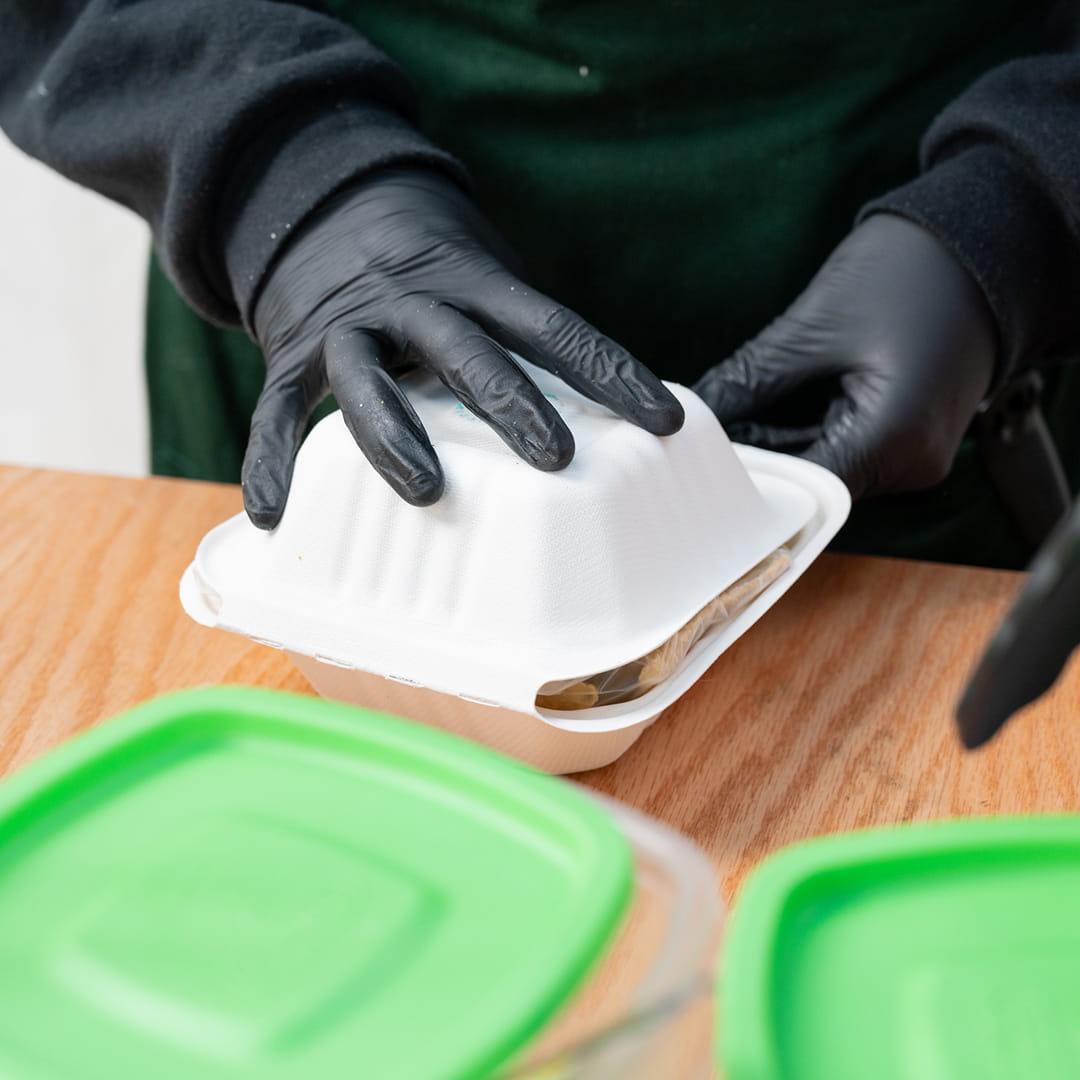
If you've spent any time sourcing disposable packaging for your restaurant or hospitality operation, you've probably seen the terms "food-grade" and "food-safe" used almost interchangeably. They sound like they mean the same thing, but they don't, and that distinction can actually matter quite a bit when you're choosing the right containers, bags, wraps, or serviceware for your business.
At Unified Paper & Packaging, we work with restaurants, hotels, caterers, and food service operators every day, and this is one of the questions that comes up more than you'd think. So let's break it down in plain terms.
What Does "Food-Grade" Actually Mean?
Food-grade refers to the materials used to make the packaging. A food-grade material is one that has been manufactured using ingredients or compounds that are approved for contact with food. In the United States, the FDA maintains a list of substances that are generally recognized as safe (GRAS) or approved for use in food contact materials. If a product is made from those approved substances, it can be called food-grade.
Here's where it gets a little tricky, though. Food-grade only speaks to what the material is made of. It does not tell you anything about how that material was manufactured, stored, or handled before it got to you. A container can be made from food-grade plastic and still be completely inappropriate for food use if it was produced in a facility that also handles motor oil or industrial chemicals.
So food-grade is a starting point, not a finish line.
What Does "Food-Safe" Mean?
Food-safe is a broader standard. It means the packaging is not only made from approved materials, but it has also been produced, stored, and handled in a way that makes it actually safe for direct food contact under real-world conditions. This includes the full supply chain, from the raw materials to the manufacturing environment to how the product is packaged and shipped.
A food-safe container needs to be free from harmful levels of chemical migration, meaning it won't leach anything into your food under normal conditions of use. It also needs to hold up to the conditions you'll actually put it through, whether that's hot food, acidic sauces, oily dishes, or cold storage.
Temperature is a big factor here. A packaging product might be food-safe at room temperature but not when you fill it with a 200-degree soup. That's why responsible distributors like Unified Paper & Packaging pay close attention to the temperature ratings and use-case specifications for every product we carry.
Where the Confusion Comes From
The reason these terms get mixed up so often is that there's no single universal certification or regulatory label that says "this product is food-safe" in the same way you might see a nutrition label or a UL certification on an appliance. Different organizations, including the FDA, NSF International, and various international bodies, each have their own standards, and manufacturers don't always use consistent language in their marketing.
That means it falls on buyers and distributors to actually understand what they're purchasing and what standards apply to their specific use cases.
Why This Matters for Your Operation
If you're running a food service business, the stakes here are real. Using packaging that isn't truly food-safe can expose your customers to harmful chemical residues. It can compromise the quality and taste of the food. It can also create liability issues if something goes wrong.
Beyond safety, there's a practical performance angle too. Packaging that wasn't designed for your specific application, whether that's high heat, wet foods, acidic ingredients, or long holding times, is more likely to leak, warp, or fail. That's bad for your food presentation and bad for your reputation.
What to Look for When Buying Disposable Packaging
When you're evaluating disposable food packaging for your restaurant or hospitality business, here are a few things worth checking:
FDA compliance: Is the product made from FDA-compliant materials for food contact? This is the baseline.
Temperature range: What are the actual recommended temperature limits? Does that match how you plan to use it, for hot holding, cold storage, microwave use, or all three?
Migration testing: Has the product been tested to ensure it won't leach harmful substances under your expected conditions of use?
Facility standards: Was the product manufactured in a facility that follows food-safe production practices?
Certifications: Look for products that have been tested or certified by recognized organizations like NSF, or that meet specific regulatory standards in your market.
How Unified Paper & Packaging Helps
Part of what Unified Paper & Packaging does for our wholesale customers is take the guesswork out of this process. We source from suppliers who understand these distinctions and we can help you match the right packaging to your actual operation, whether you're running a fast-casual concept with high-volume takeout, a catering company handling large-format hot food, or a hotel banquet operation with specific presentation requirements.
Not every container works for every application, and understanding the difference between food-grade and food-safe is a big part of making smart purchasing decisions.
If you're not sure whether the packaging you're currently using is the right fit for what you're doing with it, that's a conversation worth having. The cost of getting it wrong is almost always higher than the cost of getting it right the first time.


