
How to Transition to More Sustainable Food Packaging
...without turning your operation upside down :)
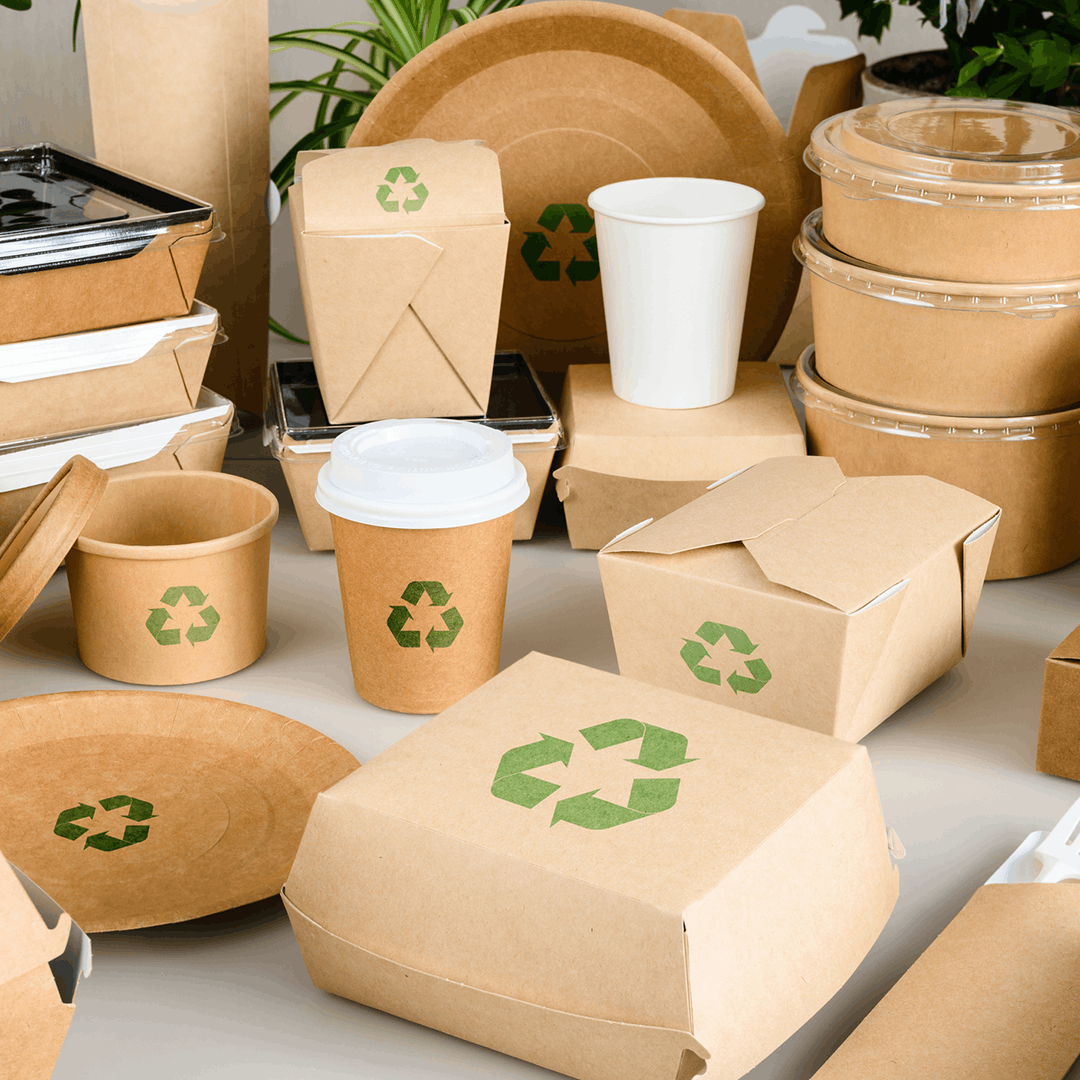
Sustainability has moved to a real business consideration for restaurants, cafes, ghost kitchens, and food operators of all sizes. Customers are paying attention, local regulations are tightening, and the cost of doing nothing is starting to show up in ways that matter: reputation, compliance risk, and waste disposal expenses that keep climbing.
The good news is that switching to more sustainable packaging doesn't have to happen overnight, and it doesn't have to break your budget. It takes some planning, a willingness to test before you commit, and a supplier who actually knows what they're talking about. Let's walk through how to do this in a way that makes sense for a real food business.
Start With an Honest Look at What You're Using
Before you swap anything out, take stock of your current packaging. Pull your last few orders and make a list of every single item: clamshells, soup containers, portion cups, cutlery, bags, straws, deli wrap, whatever you're using. Note the material too — styrofoam, plastic, coated paper, uncoated paper, PLA, aluminum.
This exercise does two things. First, it shows you exactly where your volume is concentrated. You might find that 70% of what you order is a handful of SKUs, which means improving those few items has an outsized impact. Second, it gives you a baseline to compare against when you start evaluating alternatives. You can't know if you're making progress without knowing where you started.
Understand the Difference Between "Eco" Terms
This is where a lot of operators get tripped up, and honestly, it's not their fault. The terminology around sustainable packaging is genuinely confusing.
Compostable means the item will break down into organic matter under the right conditions — typically in a commercial composting facility. Home compostable items break down in your backyard pile. These are not the same thing, and if your area doesn't have commercial composting infrastructure, a compostable container might end up in a landfill anyway.
Biodegradable is a looser term. Technically almost everything biodegrades eventually, so this label alone doesn't tell you much. Look for more specific certifications.
Recyclable means the material can theoretically be recycled, but local recycling programs vary enormously. A container that's recyclable in one city might not be accepted in another.
Recycled content refers to packaging made from materials that were previously used — like containers made from post-consumer recycled plastic or paper.
Knowing the difference helps you make smarter choices for your specific market and communicate honestly with your customers about what you're doing and why.
Don't Try to Replace Everything at Once
This is probably the most practical piece of advice we can offer. Operators who try to overhaul their entire packaging program in one shot almost always run into problems — cost overruns, items that don't perform the way they expected, staff confusion, and customer complaints.
A better approach is to prioritize by volume and impact. Pick the two or three items you use the most and focus there first. Swap those out, let them run for 30 to 60 days, and pay attention to what happens. Does the food hold temperature the same way? Are customers or delivery drivers handling them differently? Are there any leaking or structural issues you need to address?
Once you've dialed in those first swaps, move on to the next tier. You'll also develop a better feel for what works in your specific operation, which makes every subsequent decision easier.
Think About the Full Lifecycle, Not Just the Material
It's tempting to look at packaging and think "paper good, plastic bad," but the reality is more nuanced. A heavy paperboard container that requires virgin fiber and travels 2,000 miles to reach your distributor has a different environmental footprint than a lightweight, regionally-produced container made from recycled content — even if the second one is plastic.
We're not saying any particular material is better across the board. We're saying that sustainable packaging decisions are most meaningful when you think about the whole picture: where it comes from, how it performs (and whether it gets thrown away before use because it's not functional), and where it ends up after a customer is done with it.
Get Your Staff Involved Early
Your team is going to be the ones handling this packaging every single shift, and their buy-in matters more than people think. If servers or kitchen staff don't understand why you're switching, or if the new containers are harder to open, stack, or fill quickly during a rush, you'll hear about it — or worse, you won't hear about it and people will quietly go back to using the old stuff.
Brief your team on what you're changing and why. Ask for their feedback after the first couple of weeks. They're going to catch practical problems faster than anyone in management will, and they'll feel more invested in the change if they've been part of the conversation.
Keep an Eye on Regulatory Changes
Depending on where you operate, this might be more urgent than you think. Many cities and states have already banned or restricted certain single-use plastics, and more are on the way. Some jurisdictions now require compostable packaging for food service businesses, especially those that participate in commercial composting programs.
Staying ahead of these changes — rather than scrambling to comply after a deadline passes — is a real competitive advantage. It also means you avoid the premium pricing and limited availability that comes with buying in a rush.
Your distributor should be keeping track of this for you and flagging upcoming changes in your area. If they're not doing that, it's worth asking about.
Work With a Supplier Who Knows the Category
Sustainable packaging is a fast-moving space. New materials, new certifications, and new regulations are coming out regularly. The difference between a distributor who's genuinely plugged into this category and one who's slapped a green label on a few items is real, and you'll feel it.
Look for a supplier who can walk you through certifications, explain the tradeoffs between different materials, help you think through what actually makes sense for your volume and your market, and point you toward products that have been tested in real foodservice environments — not ones that look good on paper but fall apart in a steam table or leak in a delivery bag.
That's the kind of partnership that makes a sustainability transition actually work.
The Bottom Line
Transitioning to more sustainable food packaging is absolutely doable for independent restaurants and multi-unit operators alike. It's not an overnight project, and it requires some upfront thinking — but the operators who do this thoughtfully come out ahead on cost management, regulatory compliance, and customer perception.
Start small, test carefully, involve your team, and work with people who know what they're talking about. That's really all there is to it.
Have questions about which sustainable packaging options make sense for your operation? We're happy to walk through your current program and help you find a path forward.


