
How to Use Durable Disposable Food Containers for Safe and Eco-Friendly Food Storage
Smart packaging choices that keep food fresh, customers happy, and environmental footprint in check
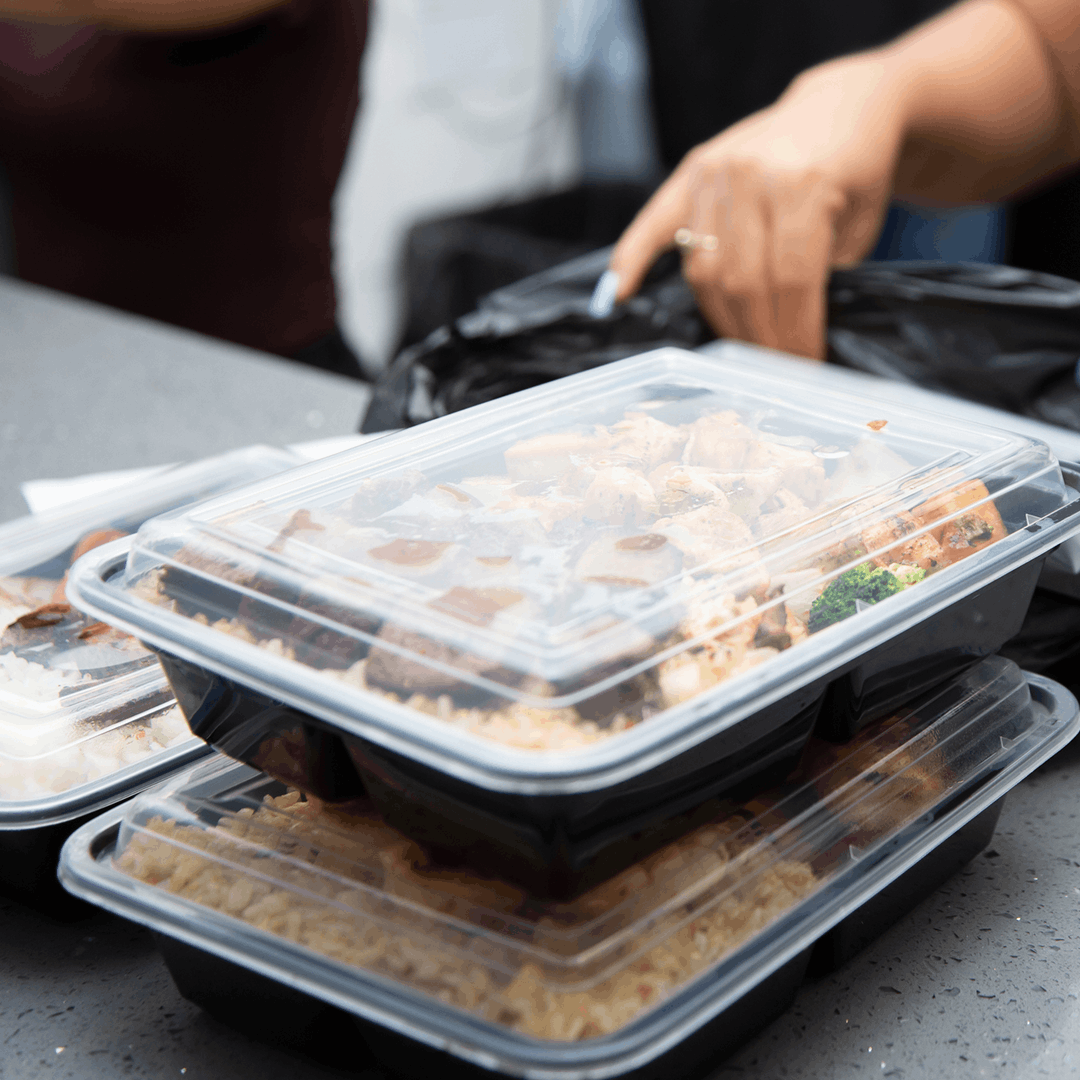
Whether you run a busy takeout kitchen, a corporate catering operation, or a grocery deli counter, the packaging you choose says a lot about your business. Durable disposable food containers have come a long way from the flimsy styrofoam clamshells of decades past. Today's options are built to handle heat, moisture, and transit while meeting growing consumer demand for sustainable foodservice packaging. The good news is that safe food storage and eco-conscious choices no longer have to compete with each other.
Here is a practical look at how to get the most out of durable disposable food containers, the types worth stocking, and what to look for when sourcing wholesale disposable packaging for your operation.
Why Durable Disposable Food Containers Matter in Foodservice
It is easy to underestimate packaging until something goes wrong. A leaking container ruins a delivery order. A container that warps under heat creates food safety liability. Packaging that collapses under stacking pressure leads to wasted product and frustrated customers.
Durable disposable food containers solve all three problems when chosen correctly. They protect food during transport, maintain proper temperatures, and arrive at the customer's table in the same condition they left your kitchen. For high-volume foodservice operations, that reliability translates directly into fewer complaints, fewer refunds, and stronger customer retention.
From a food safety standpoint, containers that are sturdy, properly sealed, and food-grade certified reduce the risk of contamination. Look for containers that carry FDA-compliant food-safe materials and are tested for both hot and cold holding temperatures. This matters especially for operators who prep meals ahead of service, handle ready-to-eat foods, or ship meal kits.
Types of Durable Disposable Food Containers and What They Are Best For
Not every container is right for every application. Understanding the materials and their properties helps you match the right packaging to the right food item.
Kraft Paper Containers and Paperboard Boxes
These are among the most popular eco-friendly disposable food containers on the market right now. Kraft paper containers work well for dry or low-moisture foods like sandwiches, pastries, and grain bowls. Many are lined with a thin layer of PLA (polylactic acid) or aqueous coating to handle some moisture without sacrificing compostability. They stack cleanly, print well for custom branding, and give off a natural, premium look that resonates with today's consumers.
Sugarcane Bagasse Containers
Made from the fibrous material left over after sugarcane is processed, bagasse containers are one of the strongest compostable options available. They handle heat exceptionally well, making them suitable for hot entrees, soups, and microwaveable meals. Bagasse food containers are grease-resistant, cut-resistant, and hold their structural integrity even when refrigerated and reheated. For operators running eco-friendly packaging programs, bagasse is a top-tier choice.
PET and RPET Clear Containers
Clear plastic containers made from PET (polyethylene terephthalate) or recycled RPET are workhorses for cold food applications like salads, fruit cups, parfaits, and deli items. The visibility is a big selling point since customers can see exactly what they are getting. RPET containers, made from post-consumer recycled plastic, carry strong sustainability credentials while maintaining the clarity and durability that PET is known for. If your operation serves cold grab-and-go items, these belong in your packaging lineup.
Polypropylene (PP) Containers
Polypropylene containers are durable, heat-tolerant, and reusable if cleaned properly, though most foodservice operations use them as disposables for soups, sauces, and hot entrees. They are microwave-safe, dishwasher-safe in consumer settings, and hold up well against oily or acidic foods. PP containers are a solid all-purpose choice for operations that need reliable hot food packaging without jumping to more specialized compostable materials.
Aluminum Foil Containers
Aluminum remains one of the most practical materials for oven-safe, freezer-to-oven food storage. Catering operations, meal prep companies, and food manufacturers rely on aluminum containers for bulk cooking, transport, and reheating. Aluminum is also infinitely recyclable, giving it real sustainability credentials when it stays in the recycling stream.
Best Practices for Safe Food Storage Using Disposable Containers
Using the right container is only half of the equation. How you use it matters equally from a food safety and quality standpoint.
Match the container to the temperature.Never use a container rated for cold applications in a hot holding situation. Containers that are not heat-rated can warp, leach chemicals into food, or simply fail structurally. Check the temperature rating before using any container for hot foods, steam tables, or warming cabinets.
Use tamper-evident lids and seals.For delivery and takeout packaging, tamper-evident lids add a layer of food safety protection and consumer confidence. Many foodservice operators add tamper-evident stickers or use containers with built-in locking tabs to signal that food has not been handled after packaging.
Label containers for allergen and date safety.Even the best container is not a substitute for proper food labeling. Use writable surfaces or adhesive labels to mark contents, preparation dates, allergen information, and use-by dates. This is non-negotiable for food safety compliance and customer communication.
Stack and transport correctly.Durable containers are designed to stack, but they still need to be transported responsibly. Use insulated delivery bags, secure bags in carriers, and avoid overloading containers with more weight than they are designed to handle. Even a high-quality bagasse container can fail if it is overfilled or crushed under excessive stacking weight.
Avoid mixing incompatible materials.Some foods react with certain packaging materials. Highly acidic foods like tomato-based sauces can interact poorly with some uncoated paperboard containers. Oily foods can degrade thinner PE-lined papers faster than expected. Know your product and choose the container material accordingly.
How to Choose Eco-Friendly Disposable Containers Without Sacrificing Performance
Sustainability is no longer a niche concern for the foodservice industry. Consumers pay attention to packaging choices, and municipalities are tightening regulations on single-use plastics and non-compostable materials. Sourcing eco-friendly foodservice containers is increasingly both a business and a compliance issue.
Here are the attributes that actually matter when evaluating the environmental profile of disposable packaging:
Compostability certifications. Look for containers certified by the Biodegradable Products Institute (BPI) or carrying ASTM D6400 certification. These standards confirm that the product will actually break down under commercial composting conditions, not just under theoretical laboratory assumptions.
Recycled content. For plastic containers, recycled content percentages matter. RPET containers made with 30% to 100% post-consumer recycled content reduce virgin plastic demand significantly. Ask your wholesale packaging supplier for documentation on recycled content percentages.
Material efficiency. Lighter containers that still meet structural performance requirements use fewer raw materials per unit. This is often overlooked but is a meaningful factor in the overall environmental footprint of your packaging program.
End-of-life options in your region. Compostable containers are only as green as the composting infrastructure available to your customers. Before switching your entire operation to compostables, research whether your local municipality or commercial composting facilities actually accept the materials you are considering. Some compostable plastics are not accepted in standard recycling streams and end up in landfills if not directed correctly.
Sourcing Wholesale Disposable Food Containers for Your Business
For restaurants, catering companies, food manufacturers, and institutional foodservice operations, buying disposable food containers wholesale is the only practical approach. Per-unit costs drop significantly at volume, and working with a reliable wholesale disposable packaging distributor gives you access to consistent stock, custom sizing, and co-branded packaging options.
When evaluating a wholesale packaging supplier, look for a broad SKU range that covers your full spectrum of needs, from deli containers and soup cups to catering trays and tamper-evident delivery packaging. Single-source purchasing simplifies your supply chain considerably.
Consistent availability and reliable lead times matter equally. Packaging shortages during peak service periods can derail operations quickly. A strong distributor carries adequate inventory and communicates transparently about stock levels and replenishment timelines.
Flexibility on minimum order quantities is another key factor. Not every operation needs to order by the pallet, and a good wholesale foodservice packaging partner offers tiered pricing that works for mid-size operations without forcing unnecessarily large commitments.
Before committing to a new container across your entire menu, you want to test it in real service conditions. Reputable distributors provide samples so you can evaluate seal integrity, temperature performance, and structural durability before placing a full order.
The Bottom Line
Durable disposable food containers are one of the most visible and operationally significant purchasing decisions a foodservice business makes. The right containers protect food quality, support food safety protocols, and reflect your brand values at every customer touchpoint.
As eco-friendly foodservice packaging options continue to improve in performance and decrease in cost, there has never been a better time to audit your current packaging program. Whether you are looking to switch to compostable containers, improve your takeout packaging durability, or find a more reliable wholesale supplier, the starting point is understanding what your food products actually need from their packaging and then finding materials that deliver it.
If you are ready to explore wholesale pricing on durable disposable food containers for your foodservice operation, our team works with restaurants, caterers, institutional buyers, and food manufacturers across the country. Reach out to discuss your packaging requirements and get a quote tailored to your volume.


