
Is Plastic Packaging for Soup Safe? Top Tips for Protecting Your Customers
Choose heat-rated, food-grade containers
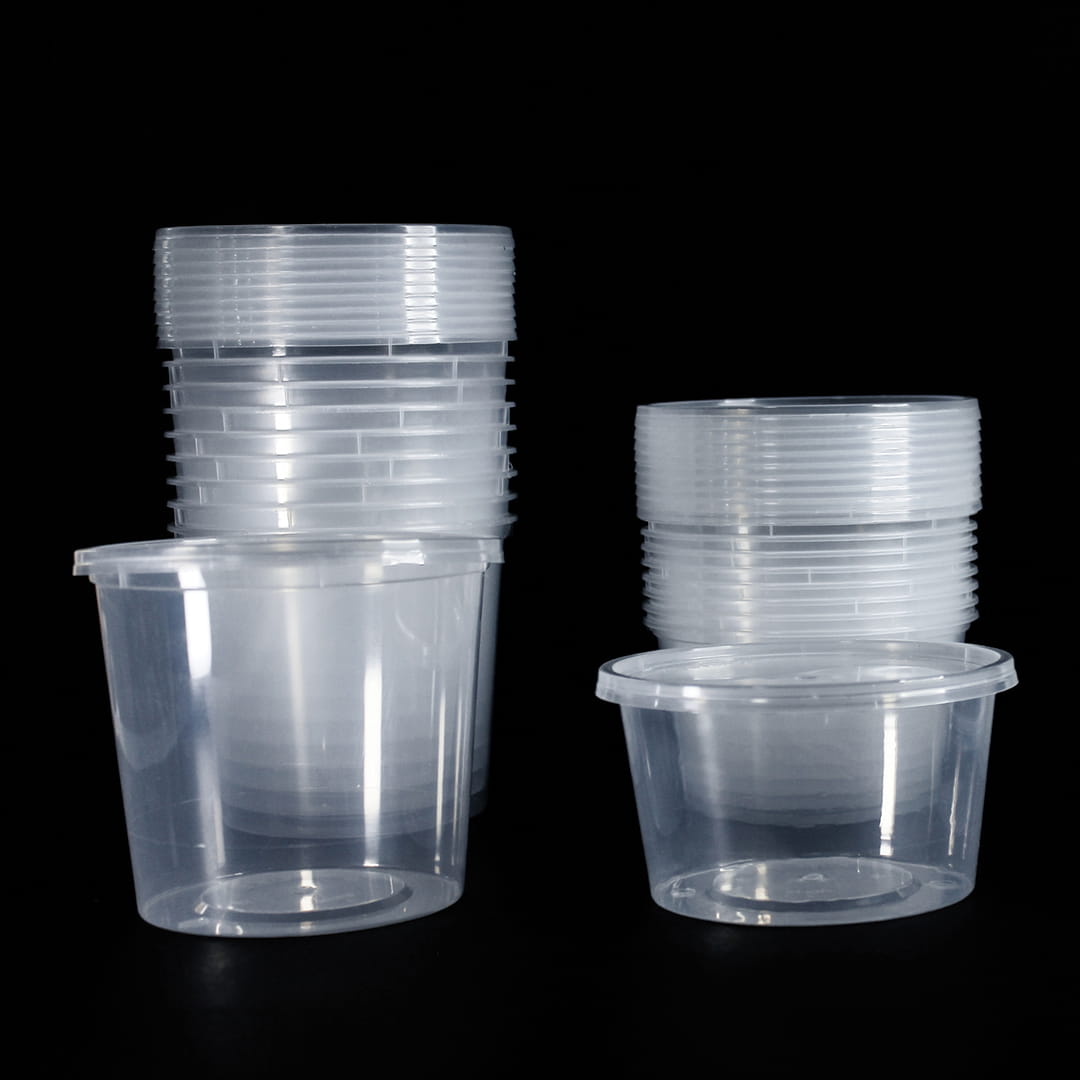
Soup is one of the most popular takeout and delivery items, and also one of the trickiest to package. It’s hot, it’s liquid, and it often travels in the back of a delivery bag. If you run a restaurant, café, catering business, or ghost kitchen, you’ve probably asked whether plastic soup containers are actually safe for your customers.
The short answer is yes, when you choose the right container and use it the right way. Here’s what you need to know.
What Makes a Plastic Soup Container Safe?
Not all plastic is the same. Safe food packaging comes down to three things: the material, the quality of manufacturing, and how you use it.
Food-grade materials. Containers sold for food service should be made from resins approved for food contact. In the United States, that means materials that meet FDA requirements for food contact. When you buy from a reputable wholesale distributor, this should be clearly stated in the product specs. If a supplier can’t tell you whether a container is food-grade, look elsewhere.
The right plastic for hot liquids. The most common materials for soup packaging include:
- Polypropylene (PP, resin code #5). This is the go-to choice for hot soup. It handles high temperatures well, resists cracking, and is usually microwave-safe. Most quality plastic soup containers and deli containers are made from PP.
- Clear PET (#1) and similar clear plastics. These are great for cold items like gazpacho, salads, and desserts, but they are generally not designed for hot soup.
- Polystyrene (PS, #6). Foam and rigid polystyrene are used for some hot food service items, but they are not recommended for microwave heating, and foam is restricted or banned in a growing number of cities and states. Always check your local rules before stocking up.
BPA-free. Polypropylene containers do not contain BPA, which is one reason PP has become the standard for hot food packaging.
Is Hot Soup in Plastic a Health Risk?
This is the question customers ask most. Containers made for hot food are tested to handle the temperatures soup is typically served at. When a PP container is used within its labeled temperature range, it is considered safe for hot soup.
Problems usually come from misuse, not from the material itself. Here are the common ones:
- Using a container that wasn’t designed for heat, like a clear cold-cup style deli container
- Microwaving a container that isn’t labeled microwave-safe
- Reheating soup over and over in the same container
- Using containers that are scratched, warped, or damaged
Top Tips for Protecting Your Customers
1. Match the Container to the Product
Always check the manufacturer’s temperature rating. Hot soup needs a container rated for hot food. If you serve both hot and cold soups, stock separate containers for each. It’s a small step that prevents warping, leaks, and safety concerns.
2. Choose Leak-Proof Lids
A container is only as good as its lid. Look for tight-fitting, snap-on lids that seal securely around the rim. A leaking container is more than a mess. Hot soup spilling in a delivery bag can burn a customer or a driver. Vented lids are a great option for very hot soup, since they release steam and reduce pressure buildup.
3. Add Tamper-Evident Features
For delivery orders, tamper-evident seals or labels give customers confidence that their food hasn’t been opened. They also protect your brand if a third-party driver is handling the order.
4. Keep Soup at Safe Temperatures
The FDA Food Code recommends holding hot food at 135°F or above. Fill containers with soup that’s properly hot, and package it quickly. Soup that sits in the danger zone between 41°F and 135°F for too long can allow bacteria to grow. If you’re cooling soup for later use, cool it quickly before storing it, not while it sits in a sealed container on the counter.
5. Don’t Overfill
Leave a little headspace at the top. Overfilled containers are more likely to leak when the lid goes on, and hot liquid can push against the seal. Leaving about half an inch of room makes a real difference.
6. Pick the Right Size
Standard soup container sizes run from 8 oz to 32 oz and beyond. Choosing the right size for each menu item reduces waste and spills. A 12 oz or 16 oz container is common for a single serving, while 32 oz works well for family-size or catering orders.
7. Give Clear Reheating Instructions
If your containers are microwave-safe, say so on the lid or with a label. If they aren’t, tell customers to transfer the soup to a bowl. A simple sticker can prevent a lot of problems.
8. Store Packaging Properly
Keep your containers and lids in a clean, dry area away from heat, chemicals, and direct sunlight. Packaging stored in a hot warehouse can warp before it ever reaches a customer. Keep stock sealed in its original cases until needed.
9. Inspect Before You Use
Throw out any container that is cracked, warped, or dirty. It only takes a second and helps keep your customers safe.
What About Sustainability?
Many operators want to keep their customers safe while also reducing their environmental footprint. The good news is you have options. Polypropylene is widely recyclable where programs exist, and there are also paper-based soup containers with a lining, as well as compostable options made from plant-based materials. Each has its own heat rating and cost, so compare them against your menu and your local regulations. Whatever you choose, the same rules apply: use food-grade materials, confirm the temperature rating, and make sure the lid fits.
The Bottom Line
Plastic packaging for soup is safe when you choose food-grade, heat-rated containers and use them as intended. Polypropylene is the most trusted option for hot soup thanks to its heat resistance and durability. Pair it with a secure lid, safe holding temperatures, and clear customer instructions, and you’ll deliver soup that arrives hot, fresh, and mess-free.
Looking for reliable soup containers for your business? Unified Packaging Products offers a wide selection of disposable food packaging for restaurants, caterers, and food service operators, including soup containers, lids, and deli containers in a range of sizes.


