
Mastering Takeout Food Presentation
The Box Matters as Much as What's Inside
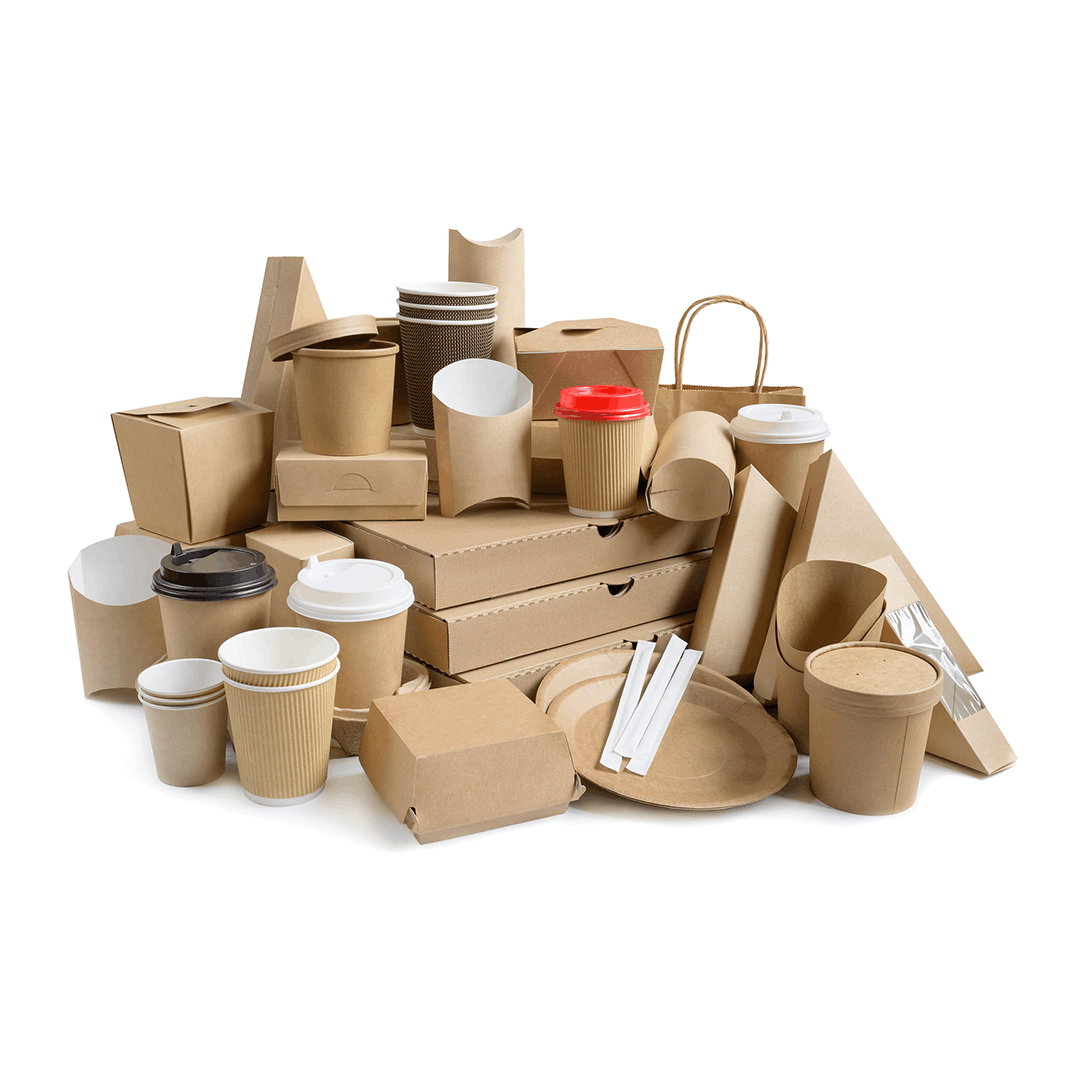
For years, presentation was something restaurants worried about for dine-in only. The plating, the garnish, the way a dish landed on the table. Takeout was an afterthought. You cooked the food, you put it in a container, you sent it out the door. That era is over.
Takeout and delivery now account for a massive share of restaurant revenue across Southern California, and customers have gotten particular. They share their orders on Instagram. They leave reviews that mention packaging. They remember the restaurant where the food arrived looking like it was cared for, and they forget the one where the lid was fogged up, the fries were soggy, and the sauce had leaked into everything. If you run a restaurant in this market, the way your food travels is no longer a logistics problem. It is a brand problem.
Here is what actually goes into getting it right.
Start With the Right Container for the Right Food
This sounds obvious but it trips up a lot of operators. Not all food travels the same way, and using one container type across your entire menu is a shortcut that costs you in the long run.
Hot, saucy dishes need containers with tight, secure lids. Nothing destroys a customer's experience faster than opening a bag to find half of their pasta has shifted and pooled on one side. Compartmentalized containers are a smart move for combo plates where you want proteins, starches, and vegetables to stay separated. No one orders a platter because they want everything mixed together.
Fried foods are their own challenge. They need ventilation. A sealed container turns steam into condensation, and condensation turns crispy food into something limp and sad. Vented containers or containers with raised ridges that lift food slightly off the base go a long way toward keeping texture intact during transit.
For cold items like salads or grain bowls, you want containers that keep components separate until the customer is ready to eat. Dressings should always travel separately, full stop.
The right container is not always the cheapest container. But, it is almost always the most cost-effective one, because it protects the food you spent money and time making.
Temperature Control Is Presentation
When customers talk about food presentation in a takeout context, they usually mean visual appearance. But temperature is a form of presentation too. Food that arrives at the wrong temperature looks wrong, tastes wrong, and reflects poorly on your kitchen regardless of how good the dish is at its best.
Insulated bags are worth the investment if you are doing any volume of delivery. Hot foods stay hot longer, cold foods stay cold longer, and the gap between your kitchen and your customer's table stops feeling like a gamble. For catering and large orders, thermal carriers make a real difference.
Foil liners inside containers can help with heat retention on dishes that tend to cool quickly. If you are packing a burger or a burrito, wrapping it properly before boxing it makes a noticeable difference in how it arrives.
Tamper-Evident Packaging Builds Trust
This one matters more than people give it credit for. Customers ordering through third-party apps are handing their food off to a driver they do not know. Tamper-evident seals on containers, or bags sealed with a sticker, tell the customer that what they ordered is exactly what they received, untouched.
Beyond safety, it is a signal of professionalism. It says your operation runs with standards. That impression carries weight, especially for first-time customers deciding whether to order from you again.
Details That Separate Good Packaging From Memorable Packaging
Once you have the fundamentals covered, there is a level above that the best operators in Southern California are already operating at.
Custom printed bags and boxes with your logo are not vanity. They are marketing. When a customer carries your bag down the street or sets your container on their desk, your brand is traveling with it. In a competitive delivery market, that visibility compounds over time.
Napkins, utensils, and condiment packets should be included thoughtfully, not thrown in haphazardly. A well-organized bag where everything has a place communicates that someone on your team paid attention. That feeling is memorable. Messy bags, even with great food inside, create friction.
If your concept allows for it, a simple insert, something like a card with reheating instructions, a note about ingredients, or even a small thank you, adds a personal touch that chains and fast food outlets almost never bother with. Independent restaurants have an advantage here if they use it.
Consistency Is the Real Goal
One great takeout experience followed by a mediocre one does not build loyalty. Consistency does. That means your packaging standards should be written down, trained on, and checked regularly. Which containers go with which dishes. How items get stacked in the bag. Where utensils and napkins go. Which orders need tamper seals.
Restaurants that treat packaging as a system rather than a task produce more consistent results. The customer who orders on a Tuesday night should get the same experience as the customer who orders on a Friday at peak hours.
Work With a Supplier Who Understands Your Operation
Packaging decisions are easier when you are working with a distributor who carries the range you actually need. Different container sizes, materials, venting options, and sealing styles all serve different menu types, and having access to a broad selection means you can match the right solution to each dish rather than forcing everything into whatever happens to be in stock.
As a Southern California restaurant operator, you are also working in a regulatory environment that is moving toward more sustainable packaging options. Compostable and eco-friendly materials are no longer niche. They are increasingly expected by customers and, in some jurisdictions, increasingly required. Sourcing these through a reliable wholesale partner like Unified Paper & Packaging keeps your costs manageable and your supply consistent.
Takeout is not going anywhere. Customers have built it into their routines, and their standards have risen alongside their habits. The restaurants that take packaging seriously, treating it as an extension of the dining experience rather than a necessary cost, are the ones that build the kind of customer loyalty that sustains a business over the long term.
The food gets you in the door. The packaging keeps customers coming back.


