
Recycling Polypropylene Food Containers for a Green Environment
Improve recycling rates through better packaging choices and customer education
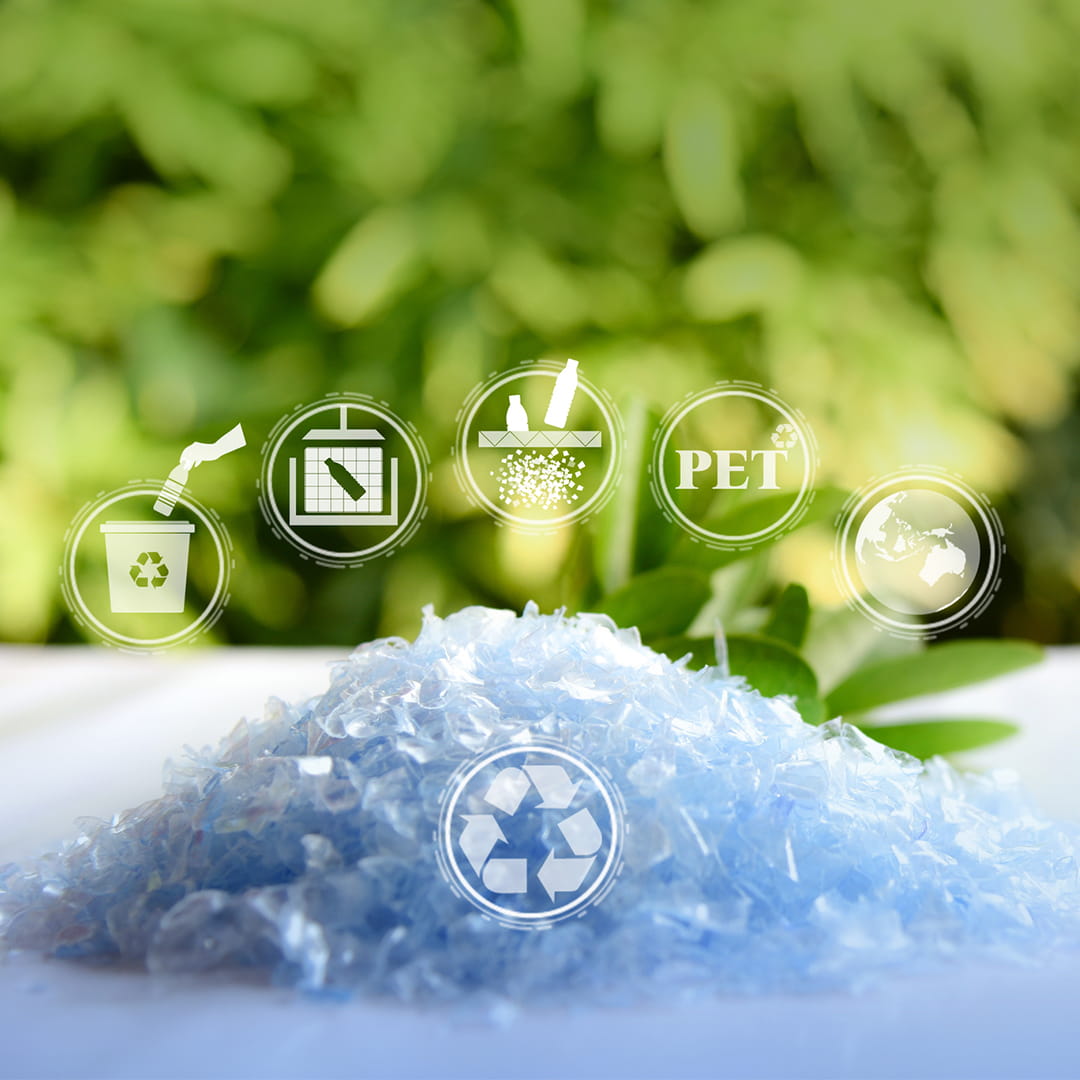
The restaurant and hospitality industry has come a long way in addressing environmental concerns, but there's still work to be done. If you're in the foodservice business, you've probably noticed the shift toward more sustainable packaging options. Polypropylene containers have become increasingly popular, and for good reason. They're durable, microwave-safe, and unlike many alternatives, they can actually be recycled when handled properly.
Understanding Polypropylene
Polypropylene, marked with the recycling symbol #5, is one of the most commonly used plastics in food packaging. You'll find it in everything from takeout containers and deli cups to yogurt tubs and bottle caps. What makes polypropylene stand out is its ability to withstand high temperatures without leaching chemicals, which is why it's a favorite for hot food applications.
The material itself is technically recyclable, but here's where things get complicated. Not all recycling programs accept #5 plastics, and contamination from food residue often sends perfectly good containers to the landfill instead of the recycling stream.
The Current State of Polypropylene Recycling
While polypropylene recycling has improved over the past decade, we're not where we need to be yet. Many municipal recycling programs now accept #5 plastics, but acceptance varies widely by location. Some communities have robust programs that handle polypropylene efficiently, while others don't have the infrastructure in place.
The recycling rate for polypropylene remains lower than materials like PET (#1) or HDPE (#2), partly because of contamination issues. Food residue is the biggest culprit. When containers arrive at recycling facilities covered in sauce, grease, or food particles, they can contaminate entire batches of recyclables.
What Restaurants and Food Service Providers Can Do
If you're running a restaurant or catering business, you have more influence over the recycling process than you might think. Here are some practical steps:
Educate your customers. Include clear information on your takeout containers about whether they're recyclable and how to prepare them for recycling. A small label or printed message reminding customers to rinse containers before recycling can make a real difference.
Choose wisely. When selecting packaging suppliers, ask about the recyclability of their products and whether they use post-consumer recycled content. Some manufacturers are now producing polypropylene containers with recycled material, which closes the loop and reduces demand for virgin plastic.
Partner with local recycling programs. Reach out to your municipal waste management department to understand what they accept. If they don't currently take #5 plastics, consider advocating for expanded programs or looking into private recycling services that specialize in food service packaging.
Consider container return programs. Some forward-thinking restaurants are experimenting with reusable container systems where customers pay a deposit and return containers for cleaning and reuse. While this requires more infrastructure, it eliminates waste entirely.
The Role of Innovation
The packaging industry continues to evolve. New technologies are emerging that make polypropylene recycling more efficient, and some companies are developing containers designed specifically for easier recycling. Chemical recycling, which breaks down plastics to their molecular components for reuse, shows promise for materials that are difficult to recycle mechanically.
Additionally, some manufacturers are exploring bio-based polypropylene made from renewable resources rather than petroleum. While these containers function identically to traditional polypropylene, they have a smaller carbon footprint during production.
Why This Matters
Every year, millions of tons of food packaging end up in landfills. When polypropylene containers are landfilled instead of recycled, we lose valuable resources and perpetuate our dependence on fossil fuels for new plastic production. Recycling one ton of plastic saves approximately 5,774 kWh of energy and prevents nearly two tons of CO2 emissions.
For restaurants and hospitality businesses, participating in recycling efforts isn't simply about compliance or checking a sustainability box. Your customers increasingly care about environmental impact, and they're making choices based on which businesses align with their values.
Moving Forward
Perfect sustainability in food service packaging doesn't exist yet, but better practices do. Polypropylene containers offer a practical middle ground: they're functional, safe for food contact, and recyclable when the system works as intended.
The key is making that system work. Whether you're a small cafe or a large catering operation, the choices you make about packaging and the information you provide to customers ripple outward. When restaurants prioritize recyclable packaging and educate their customers on proper disposal, recycling rates improve. When demand increases for containers made with recycled content, manufacturers respond.
Change happens incrementally, through thousands of small decisions made by businesses like yours. Choosing recyclable polypropylene containers is one step. Helping ensure they actually get recycled is the next one.


