
What Sets a Great Disposable Coffee Cup Apart: Key Features to Look For
Quality, comfort, and sustainability in every sip
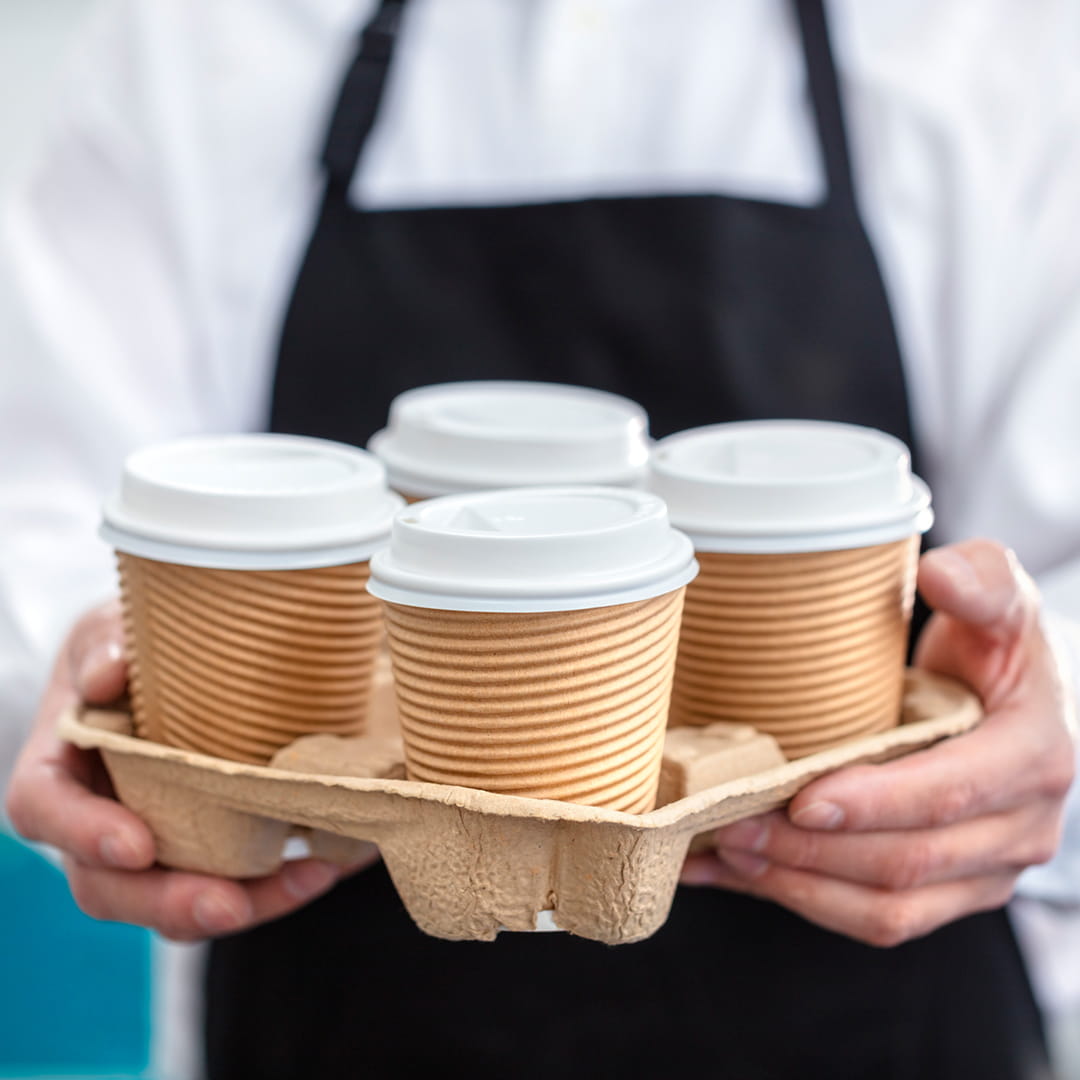
For any café, restaurant, or hospitality business, the disposable coffee cup is more than a container. It is often the first physical touchpoint a customer has with your brand each morning, and it carries your coffee from counter to hand to mouth without spilling a drop, or at least that's the goal. Choosing the right disposable coffee cups can affect customer satisfaction, operational efficiency, and even your sustainability reputation. Here's what actually separates a great disposable coffee cup from an average one.
1. Material Quality and Type
Not all disposable cups are created equal. The three most common materials are paper (often with a poly or PLA lining), foam, and plastic. Each has its own strengths:
- Paper cups are widely recognized as the industry standard for hot beverages. A quality paper cup uses a double-wall or ripple design for insulation, along with a food-safe lining that prevents leaks and sogginess.
- PLA-lined cups offer a compostable alternative for businesses focused on sustainability, since the lining is derived from plant-based materials rather than petroleum.
- Foam cups provide excellent insulation at a lower cost, though many regions now have restrictions on foam packaging due to environmental concerns.
The right material depends on your customer base, your local regulations, and how your brand wants to be perceived.
2. Insulation and Heat Resistance
Nobody wants to burn their hand on a cup of coffee. A well-designed cup keeps drinks hot for the customer while remaining comfortable to hold. Look for cups with:
- Double-wall construction for added insulation without a sleeve
- Ripple or corrugated wraps that create air pockets to reduce heat transfer
- Thick, high-quality board that resists heat penetration
Cups that fail here often lead to customer complaints, and in the worst cases, the risk of burns.
3. Leak Resistance and Structural Integrity
A cup that leaks or collapses under normal handling is a liability for any business. Structural integrity comes down to a few factors:
- The thickness and quality of the raw paper stock
- How well the seams are sealed
- Whether the cup can withstand stacking, transport, and everyday handling without warping
A sturdy cup protects your product, your customer's clothes, and your reputation.
4. Lid Compatibility
A great cup is only half the equation. Lids need to fit securely, resist spills during transport, and allow for easy sipping. Poorly fitted lids are one of the most common causes of coffee spills, and they can quickly turn a good experience into a frustrating one. When sourcing cups, always check that lids are designed to match the cup rim size and shape precisely.
5. Print Quality and Branding Options
For many businesses, the coffee cup is a walking advertisement. High-quality printing allows for vibrant colors, crisp logos, and clear branding that reinforces recognition every time a customer walks down the street with your cup in hand. Look for suppliers who offer:
- Custom printing in multiple colors
- Options for different cup sizes to match your full beverage lineup
- Consistent print quality across large order volumes
6. Sustainability Credentials
Increasingly, customers care about the environmental impact of the packaging their coffee comes in. Compostable, recyclable, or responsibly sourced cups can be a real differentiator for a hospitality brand. When evaluating options, consider:
- Whether the cup is certified compostable or recyclable
- The sourcing of the paperboard (FSC certification is a good sign)
- Whether the lining material aligns with local recycling infrastructure
Sustainability claims should be backed by real certifications, not vague marketing language, so it pays to ask suppliers for documentation.
7. Size Range and Consistency
Restaurants and cafes typically need a range of cup sizes to accommodate different drink offerings, from a small espresso to a large iced coffee. Consistency across sizes matters for portion control, cost management, and customer expectations. A dependable supplier should offer a full range of sizes with the same reliable quality at every level.
8. Cost Efficiency Without Sacrificing Quality
Price matters, especially for businesses ordering in bulk. However, the cheapest cup on the market is not always the best value. A cup that leaks, fails to insulate properly, or damages your brand image can cost more in the long run through customer complaints and repeat purchases lost. The best approach is to weigh price against performance and durability, then choose a supplier who can offer consistent quality at a competitive rate.
Bringing It All Together
A great disposable coffee cup checks all these boxes: quality material, solid insulation, leak resistance, reliable lid fit, strong branding potential, sustainability credentials, size consistency, and fair pricing. Getting this combination right takes some trial and error, but working with an experienced packaging distributor makes the process far easier.
Unified Paper & Packaging can help you with all your needs, from selecting the right cup material and size range to sourcing sustainable options and custom-branded designs. Whether you run a single café or manage packaging for a full restaurant group, our team understands the disposable packaging market inside and out.
Get in touch with Unified Paper & Packaging today to explore your options and find the disposable coffee cup solution that fits your business perfectly.


