
What's New in Take-out Food Packaging? Trends in 2026
Key trends are reshaping how foodservice operations package their offerings
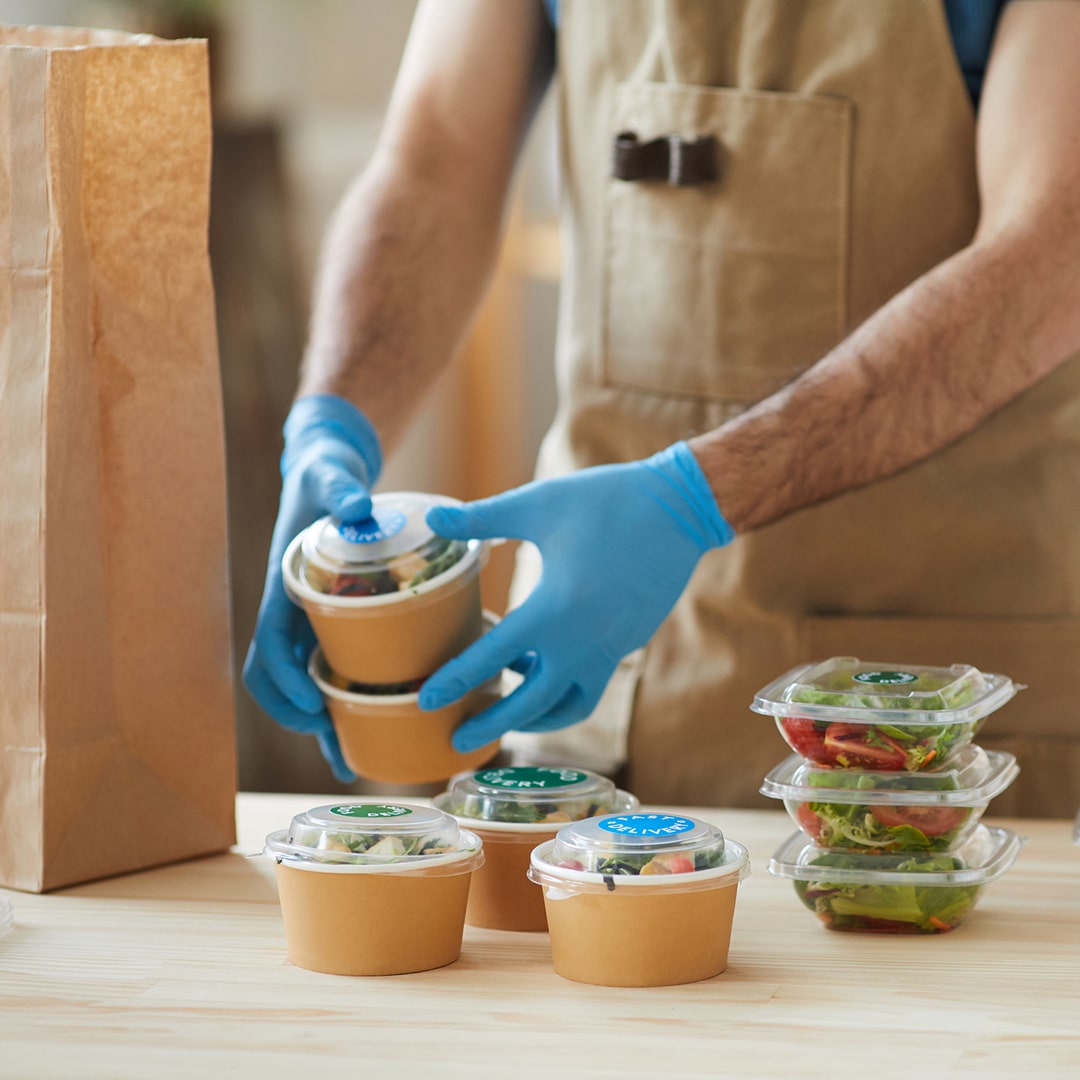
The take-out and delivery market continues to evolve at a rapid pace, and packaging innovations are keeping stride with changing consumer expectations and operational demands. As we move through 2026, several key trends are reshaping how restaurants, cafes, and food service operations package their offerings.
1. Sustainability Moves Beyond the Buzzword
Eco-friendly packaging is no longer a nice-to-have feature. It has become a baseline expectation. Customers actively seek out businesses that demonstrate environmental responsibility, and many municipalities have introduced regulations that phase out certain materials entirely.
Plant-based alternatives are gaining serious traction. Packaging made from bagasse (sugarcane fiber), bamboo, and molded fiber pulp offers durability comparable to traditional plastics while remaining fully compostable. These materials perform well with hot and cold foods, resist leaks, and break down naturally in commercial composting facilities.
Seaweed-based packaging represents an emerging category worth watching. Though still in early adoption phases, these innovative materials dissolve harmlessly and offer a compelling solution for single-use items like sauce containers and wraps.
2. Smart Packaging Enhances the Customer Experience
Technology integration is transforming take-out containers from simple vessels into interactive touchpoints. QR codes printed directly on packaging now provide customers with nutritional information, reheating instructions, ingredient sourcing details, and loyalty program access. This seamless digital connection strengthens brand engagement without requiring additional materials or inserts.
Temperature-indicating labels have become more sophisticated and affordable. These visual indicators help customers and delivery drivers confirm that hot foods stayed hot and cold items remained properly chilled throughout transit, reducing disputes and improving food safety compliance.
3. Design Prioritizes Functionality and Brand Identity
The days of generic white clamshells are fading. Food service operators increasingly view packaging as an extension of their brand identity. Custom printing, distinctive shapes, and coordinated color schemes help businesses stand out in crowded delivery app interfaces and create memorable unboxing experiences.
Ventilation design has improved dramatically. Strategic perforation patterns and engineered airflow systems prevent steam buildup that can turn crispy items soggy. Containers now maintain food quality during longer delivery windows, addressing one of the most common customer complaints about take-out orders.
Compartmentalized designs continue to gain popularity. Multi-section containers keep sauces separate, prevent flavor mixing, and allow customers to control their meal assembly. These formats work particularly well for bowl concepts, breakfast items, and family-style portions.
4. Portion Flexibility Meets Operational Efficiency
Modular packaging systems give operators greater flexibility while streamlining inventory. Interchangeable bases, lids, and inserts can be mixed and matched to accommodate different menu items, reducing the number of SKUs restaurants need to stock.
Right-sizing has become a priority as operators balance food costs with waste reduction. The industry is moving away from one-size-fits-all approaches toward a range of portion-appropriate containers that minimize empty space, reduce material usage, and lower shipping costs.
5. Material Innovation Addresses Performance Gaps
New coating technologies allow paper-based containers to handle liquids and oils without the plastic liners traditionally required. These water-based and plant-derived coatings maintain the recyclability or compostability of the base material while delivering grease resistance and moisture barriers that rival conventional options.
Molded fiber has evolved beyond basic burger boxes. Advanced manufacturing techniques now produce containers with smooth surfaces, tight seals, and refined aesthetics that appeal to upscale dining concepts. The material handles temperature extremes well and provides excellent insulation properties.
6. Regulatory Landscape Drives Adaptation
Packaging regulations continue to tighten across North America. Single-use plastics face increasing restrictions, and PFAS (per- and polyfluoroalkyl substances) bans are expanding. Businesses that proactively transition to compliant materials avoid rushed conversions and potential penalties.
Extended Producer Responsibility (EPR) programs are becoming more common, requiring packaging producers and users to contribute to end-of-life management costs. These programs incentivize the use of recyclable and compostable materials while funding improved waste infrastructure.
7. Cost Considerations Remain Central
While sustainable and innovative packaging options have become more accessible, price sensitivity remains high in the food service industry. Operators carefully evaluate the total cost of ownership, considering factors like reduced product damage, enhanced brand perception, and potential for increased customer loyalty alongside unit prices.
Bulk purchasing and strategic supplier relationships help businesses manage costs while upgrading their packaging programs. Many distributors, such as Unified Paper & Packaging, now offer sample programs and smaller case packs, allowing operators to test new solutions before committing to large inventory investments.
Looking Ahead
The take-out packaging landscape will continue shifting toward materials and designs that balance environmental responsibility, functional performance, and economic viability. Operators who stay informed about emerging options and align their packaging choices with brand values and customer expectations will be well-positioned for success in an increasingly competitive market.
The packaging decisions you make today communicate volumes about your business priorities and values. As technology advances and material science improves, the gap between sustainability and performance continues to narrow, making it easier than ever to choose packaging that serves your food, your customers, and the planet.


